DATA not DRAMA - David Ramer | Runtime: 15 Minutes | Genre: Sci-Fi/Drama
Logline: The film follows a lifestyle influencer whose "curated" life is tested when she receives a humanoid companion robot to review for her channel. Beneath the premise is a story about loneliness, companionship, and the difference between being "followed" and being known.
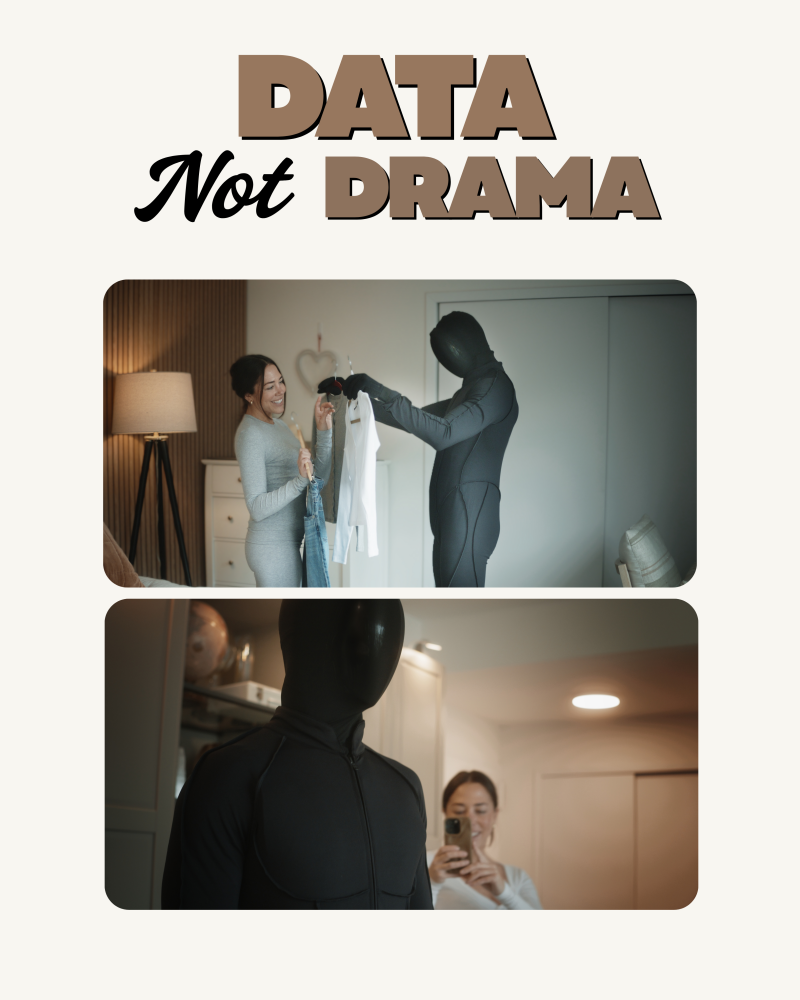
We live in an era where intimacy is frequently simulated for public consumption. David Ramer’s fifteen-minute short "Data Not Drama" interrogates the architecture of this modern isolation. The film centers on Jenessa Miller, an internet personality whose brand is built on a facade of relentless, frictionless cheer. She broadcasts to nearly three million people from the confines of her apartment, yet her existence is defined by a distinct, hollow echo. Ramer captures the paradox of the influencer age: the mathematical accumulation of eyes does not equate to being seen.
Alexa Poveromo plays Jenessa not as a caricature of vanity, but as a weary laborer in the attention economy. When a tech firm ships her an experimental humanoid robot to unbox and critique, she initially absorbs it into her machinery of content creation. The early beats are laced with a sharp, cynical humor. Jenessa treats the artificial entity exactly as she treats her own life—as raw material to be lit, packaged, and monetized. But Ramer is hunting bigger game than simple social media satire. The narrative pivot happens gradually, slipping from algorithmic comedy into a deeply melancholic character study.
As the ring lights power down, the dynamic between Jenessa and her mechanical guest mutates. The robot, devoid of judgment or the capacity to unfollow, becomes a receptacle for the vulnerabilities she meticulously hides from her audience. We learn of a lingering trauma from a past relationship, a wound that makes the safety of an artificial companion intensely alluring. Poveromo handles this transition beautifully, letting the mask slip in increments. It is here that the film asserts its true thematic gravity. It asks us to consider how quickly we might surrender to synthetic intimacy if the alternative is sitting alone in a room, entirely unperceived.
Despite its brief runtime and single-location constraint, the world outside Jenessa’s meticulously decorated apartment bleeds in effectively. Ramer subtly threads broader societal anxieties—specifically surrounding automation and the obsolescence of human labor—into the periphery of the story, most notably during a sharp sequence involving a date. This grounds the science fiction in immediate, recognizable reality. Ramer, who clearly executed multiple roles behind the camera, uses the physical limitations of the space to his advantage. The apartment becomes a terrarium, pristine but suffocating, visually reinforcing the trap Jenessa has built for herself. The craftsmanship on display is remarkably confident, punching well above the weight of a standard independent short.
What elevates this endeavor is its empathy. It never mocks its protagonist for her reliance on the digital sphere; rather, it mourns the fundamental human needs that the digital sphere fails to nourish. Ramer has crafted a tightly wound narrative that examines the chasm between broadcasting a persona and experiencing genuine emotional friction. The film lingers because it identifies a terrifying modern truth: we are increasingly replacing the messy, painful work of knowing one another with the frictionless comfort of merely being watched.
Add comment
Comments