HoLEY - Bavly Soliman | Genre: Comedy/Drama | Runtime: 20 minutes
Logline: While visiting New York from Egypt, Mark, a 32-year-old Christian-Orthodox, decides to lose his virginity, confronting all the cultural and religious restrictions that shaped his character.
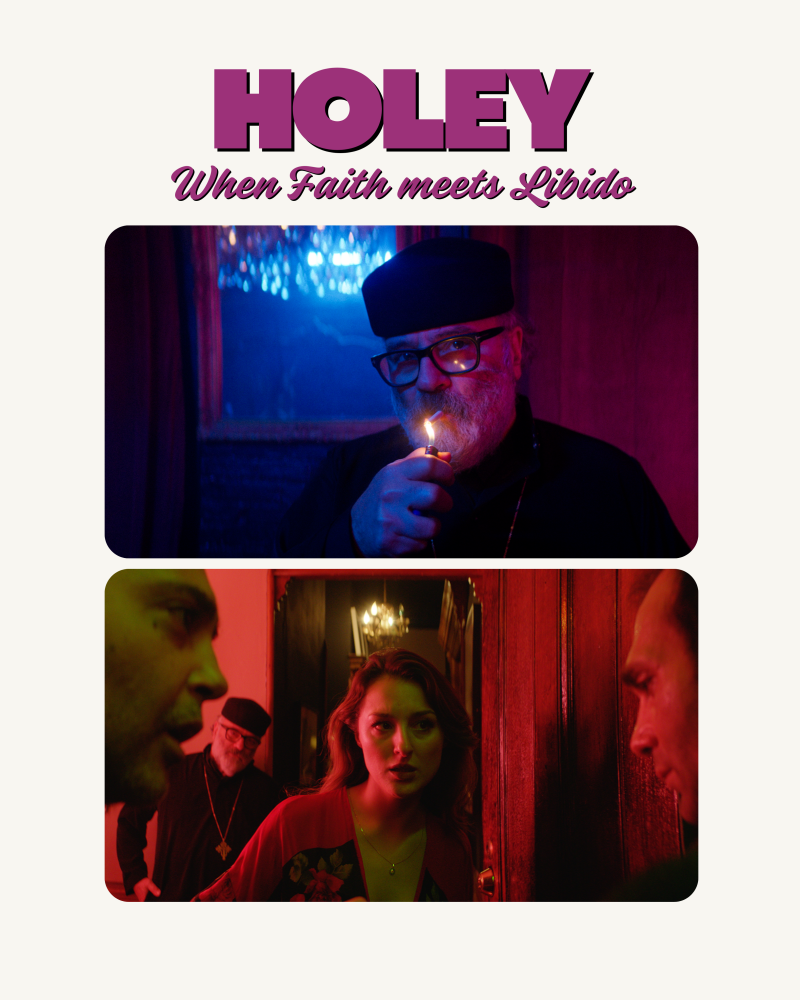
Faith and libido are a dangerously combustible mix. When forced to share the same psychological real estate, they do not compromise; they go to war. In "HoleY," an audacious 20-minute dark comedy by Egyptian filmmaker Bavly Soliman, this internal warfare takes the flesh-and-blood form of Mark, a 32-year-old Christian Orthodox man from Egypt visiting New York. Mark has arrived in the city of neon sins with a singular objective: to finally lose his virginity. But Soliman isn't interested in a straightforward, bawdy coming-of-age romp.
Instead, he constructs a claustrophobic, surreal descent into the psyche of a man whose every step toward physical liberation feels like a solemn march toward the gallows. The film thrives on the violent friction between Old World dogma and New World hedonism. Mark’s endeavor isn't born of joyous desire, but of a desperate, almost clinical need to shed the suffocating weight of his cultural and religious conditioning. When a disastrous blind date pushes his cosmopolitan friends to prescribe a transactional solution—a sex worker—the gears of a tragicomic nightmare begin to grind.
Soliman, who co-wrote the script with Matt Gill, crafts a narrative where the invisible hand of divine judgment feels viscerally present. The director brings a distinct visual unease to the proceedings, framing Mark’s pilgrimage as a deeply anxiety-inducing ordeal. Even his preemptive strike of popping a pill to prevent premature ejaculation feels less like preparation for pleasure and more like a soldier nervously arming himself for a skirmish he is convinced will end in his demise.
The eerie brilliance of the picture crystallizes during an excruciatingly tense taxi ride with a conservative Egyptian-Muslim driver. Here, the film sheds its quirky indie-comedy skin and morphs into a borderline existential thriller. The confined space of the cab becomes a purgatory on wheels. Mark is suffocated not just by the driver’s unwitting, looming judgment, but by the omniscient gaze of a God he fears has already condemned him.
The psychological guilt is so heavy it physically manifests, seizing Mark in a terrifying, mid-transit medical emergency. Yet, in a morbidly hilarious testament to human stubbornness, Mark pushes forward, demanding the driver deliver him to the brothel anyway. It is this grotesque commitment to sin—a defiance of his own failing biology—that elevates the film from a mere cultural commentary to a poignant, disturbing exploration of how deeply we internalize shame.
If the film falters, it does so only in its occasional rush to the punchline. The 20-minute runtime is a tight wire act, and the pacing occasionally feels compressed, cramming profound existential dread into a timeframe that sometimes begs to let its quieter, more agonizing moments breathe. A few of the supporting performances lean slightly into caricature, which momentarily distracts from the deeply anchored, palpable terror that our protagonist exudes. One wishes Soliman had lingered just a fraction longer on the suffocating silence of Mark’s internal monologue before accelerating toward the narrative’s inevitable destination.
Yet, when the film arrives at that destination, it delivers a masterstroke of dark irony. Without revealing the exact mechanics of its breathless climax, HoleY ensures that guilt, mortality, and intimacy collide in a spectacular, uncompromising finale. Soliman doesn't just ask whether we can outrun the cultural and religious codes baked into our DNA; he asks what happens to the human body when the mind is at war with the soul.
"HoleY" a sharp, fiercely original piece of independent cinema—one that leaves you laughing, wincing, and perhaps instinctively checking your own pulse. The execution is so precisely calibrated in its closing moments that it stands as a stellar testament to Soliman's fearlessly bold vision, earning a resounding recommendation from anyone who likes their comedy served with a side of existential dread.
Add comment
Comments